


Buying a Home in Orlando 2026: Should You Wait or Buy Now?
Rates dropped but decisions feel harder. Inventory is up but nobody feels relieved. You're not overthinking it—the market is layered right now. Here's what's actually happening in Horizon West, Windermere, and Winter Garden, and which signals matter for your decision.
If you're thinking about buying a home in Orlando this year, you're probably asking one question. Should I buy now or should I wait? For buyers in Horizon West, that question feels especially relevant right now. There is a lot of noise around interest rates, affordability, and market direction. And it's easy to feel like the decision hinges on timing. But in reality, the biggest mistakes I see aren't caused by buying at the wrong time. They are caused by making a decision without framework. Either buying for the wrong reason or waiting without a clear plan.
In this video, I'm not going to tell you that now is the perfect time. I'm going to walk you through a structured decision framework that works regardless of the market conditions. Whether rates rise, fall, or stay the same, this framework always holds. By the end, you should have clarity about whether moving forward makes sense for your situation or whether waiting intentionally is the better move.
I'm Saul Simpson with Florida Homes Group and I work with buyers throughout Horizon West and surrounding Orlando areas. And my role is to help people make decisions based on local conditions and personal readiness, not headlines.
Most buyers approach this as a timing question. They want confirmation that they're making the right move at the right moment. That's understandable. After several years of volatility, people want certainty. But real estate doesn't operate well on short-term certainty. It operates on stability and time. There is no universally perfect time to buy. Markets move in cycles, but those cycles are only obvious in hindsight. When you try to time the market, you're relying on variables that are largely outside your control. Interest rates are influenced by macroeconomic forces. Inventory fluctuates based on seller confidence and demand shifts based on broader economic sentiment. Trying to wait for all variables to align perfectly often leads to extended indecision.
Waiting can feel conservative. It can feel responsible, but waiting still carries consequences. One more year of rent, one more year without principal paydown, and one more year of exposure to gradual price changes. The cost of waiting is rarely dramatic. It's incremental, and over time, incremental changes add up. That does not mean everyone should buy now. It means the decision should be intentional rather than reactive.
Real estate is slow and expensive to transact. In Horizon West, as in most planned communities, you're committing to more than just a purchase price. You're committing to closing costs, property taxes, insurance, and potential HOA fees, maintenance, and the time it takes to enter and eventually exit the market. Because of that, short-term thinking tends to create long-term stress.
This is why real estate decisions should be life-based before they are market based. Before focusing on rates or forecasts, buyers should evaluate three foundational areas: job and income stability, personal and household stability, and time horizon. If your income is uncertain, that uncertainty matters more than minor rate movement. If your household situation is likely to change significantly within a year or two, that instability carries more weight than current inventory levels.
Time horizon is particularly important. Real estate typically functions best as a long-term hold. A 5 to seven-year minimum is a practical guideline in most situations. That time frame allows appreciation, principal paydown, and transaction costs to balance out. If you purchase with a one or two-year outlook, your margin for error narrows considerably. If you purchase with a longer horizon, the math becomes more forgiving. If those pieces are not in place, improved market conditions alone will not solve the problem. A lower rate does not compensate for instability. A temporary increase in inventory does not resolve a short timeline.
Now, let's talk about something that often gets oversimplified: local conditions. Real estate is hyper local even within the Orlando area. Horizon West behaves differently than Windermere or Winter Park or Lake Nona. The buyer profiles are different. The housing stock is different and the price points are different, and the pace of development is also different. Horizon West is largely characterized by new construction, master planned communities, and continued growth, whilst Windermere tends to include larger lots, more established properties, and a different luxury segment. Those differences affect supply, demand, and negotiation dynamics.
When someone references the Orlando market, that broad statement does not tell you what is happening within a specific price range in Horizon West versus a specific segment of Windermere. A shift in one area does not automatically translate to the other. Inventory levels, absorption rates, and buyer competition can vary meaningfully between two areas that are geographically close. This is why applying national or even metro-level headlines directly to your individual purchase can be misleading. You are not buying the market as a whole. You are buying a specific property in a specific submarket at a specific price point. This is where leverage is determined.
With that context in place, let's move into the three question framework that does not change regardless of the cycle.
First, can you comfortably afford the payment? Not can you stretch to make it work, not will it become comfortable if you refinance later. Today, as structured, can you afford the full payment including taxes, insurance, HOA if applicable, and reasonable maintenance buffer? If the payment only works assuming future improvements in rates or income, that introduces risk. Stability at the time of purchase is foundational.
Secondly, are you buying for the right reason? Fear of missing out often leads to rushed decisions, and so does pressure from rising rents or outside opinions. A sound reason to buy is long-term housing stability, control over your living environment, and alignment with personal goals. Ownership is not about outperforming the market in the short term. It is about securing a housing solution that fits your life.
And finally, will you stay long enough for the math to work? This is often the most overlooked question. Markets move naturally. There will be periods of appreciation and periods of slower growth. If you are forced to sell during an unfavorable window due to a short timeline, the outcome may not reflect the long-term trend. If you have the flexibility to hold for 5 to 7 years or more, short-term fluctuations matter less.
If the answer to all three questions is yes, buying may make sense even in an imperfect market. If one or more answers are uncertain, slowing down may be best.
Now, consider the other side of the equation: the risk of waiting. Waiting feels protective because it avoids immediate commitment. However, waiting introduces its own variables. Gradual price adjustments can continue. Interest rates can move in either direction, and inventory can tighten if seller confidence improves. Competition can increase if more buyers' desired conditions are favorable.
In Horizon West specifically, ongoing development and population growth influence supply and demand dynamics. In Windermere, limited land and established properties create different constraints. Those structural characteristics do not disappear because of short-term shifts.
Again, this does not imply that buying immediately is correct. It means that waiting should be strategic. If you decide to wait, define why. Is it to improve credit, increase savings, clarify career direction, or monitor a specific price segment? Intentional waiting is productive. Passive waiting is simply a delay.
The key takeaway is alignment — alignment between your financial stability, your personal situation, your time horizon, and your specific submarket. When those align, market imperfections become manageable. When they do not align, even favorable conditions may not lead to a good outcome.
The goal is not to buy as quickly as possible. The goal is not to wait indefinitely. The goal is to make a decision that you can live with comfortably over time.
If you are considering buying in Horizon West or comparing it to Windermere and trying to determine which direction makes sense, the most effective next step is clarity around your specific situation. That means evaluating the numbers, timeline, and neighborhood criteria rather than in isolation. If you'd like to walk through that framework in detail for your scenario, you can contact me directly at floridahomesgroup.com/youtube.
The objective is not to push a timeline. It is to help you understand whether your life and your local conditions are aligned. If this breakdown was helpful, consider liking and subscribing for ongoing market and neighborhood analysis specific to Horizon West and the Orlando surrounding areas. Clear information leads to better decisions, and better decisions tend to produce better long-term outcomes.
And ultimately, buy when your life is ready, not when headlines feel ideal. Market conditions will always fluctuate. Stability and preparation are what allow you to navigate those fluctuations with confidence.
And I'll see you in the next video.
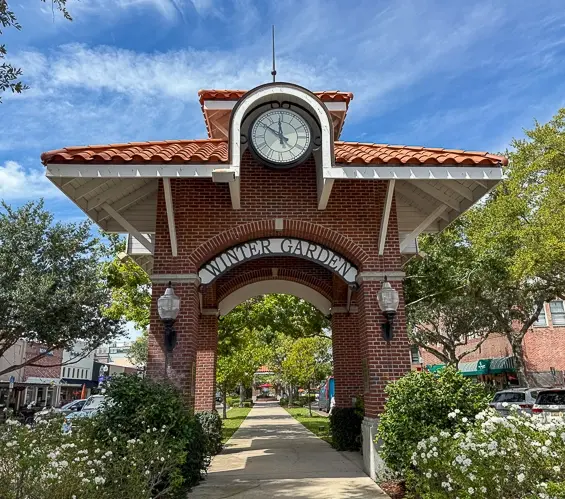
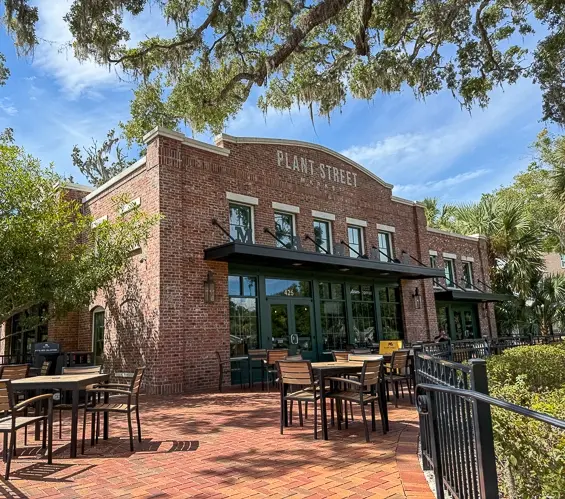
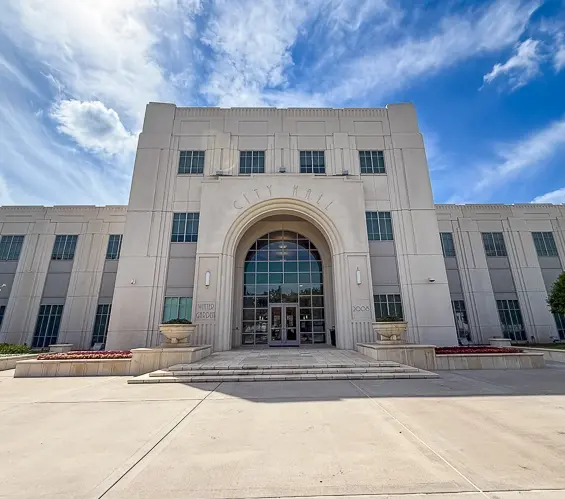
Winter Garden Real Estate Snapshot
| Average Price | $696K |
|---|---|
| Lowest Price | $150K |
| Highest Price | $6M |
| Total Listings | 948 |
| Avg. Days On Market | 105 |
| Avg. Price/SQFT | $273 |
Property Types (active listings)
Winter Garden Properties
- All Listings
- $100,000 - $200,000
- $200,000 - $300,000
- $300,000 - $400,000
- $400,000 - $500,000
- $500,000 - $600,000
- $600,000 - $700,000
- $700,000 - $800,000
- $800,000 - $900,000
- $900,000 - $1,000,000
- Over $1,000,000
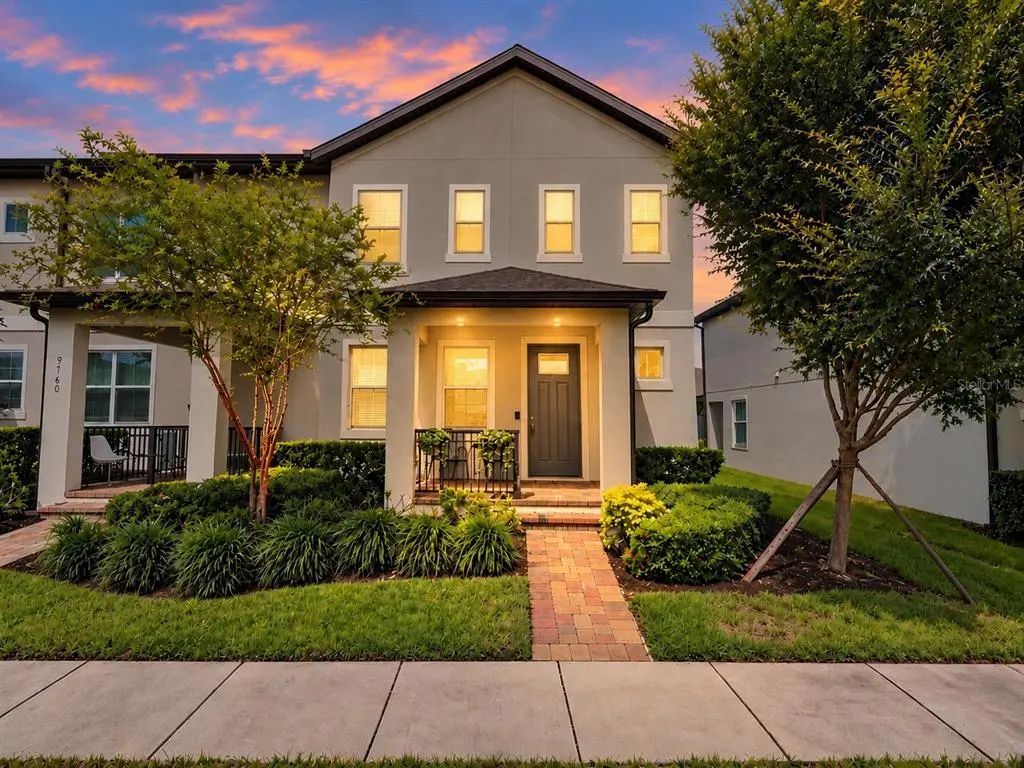
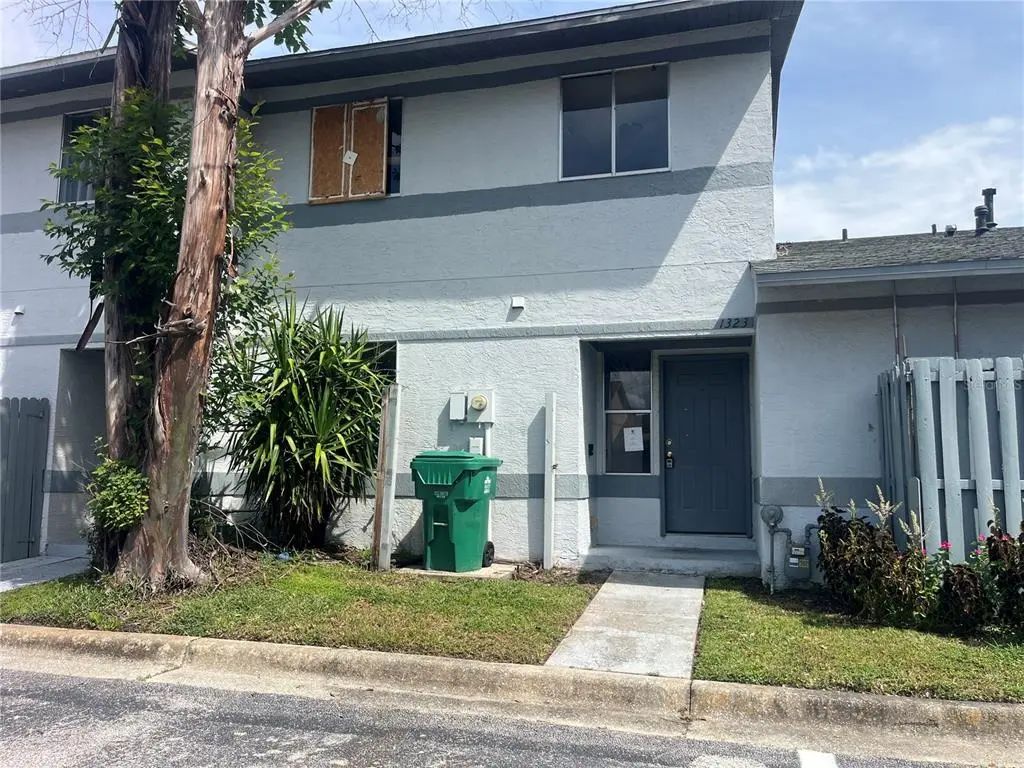
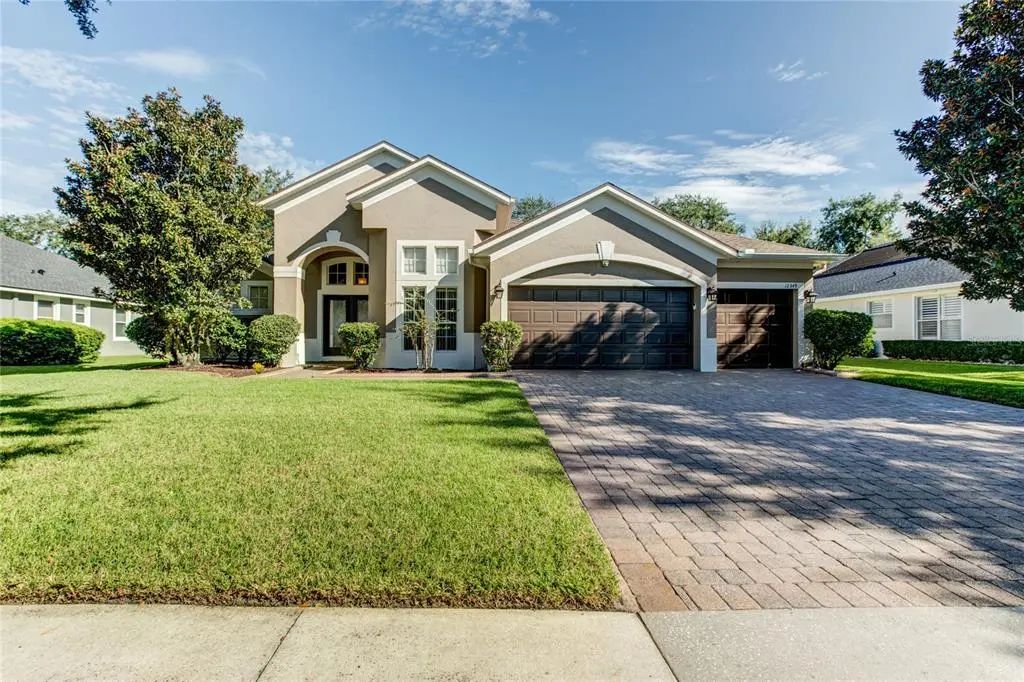
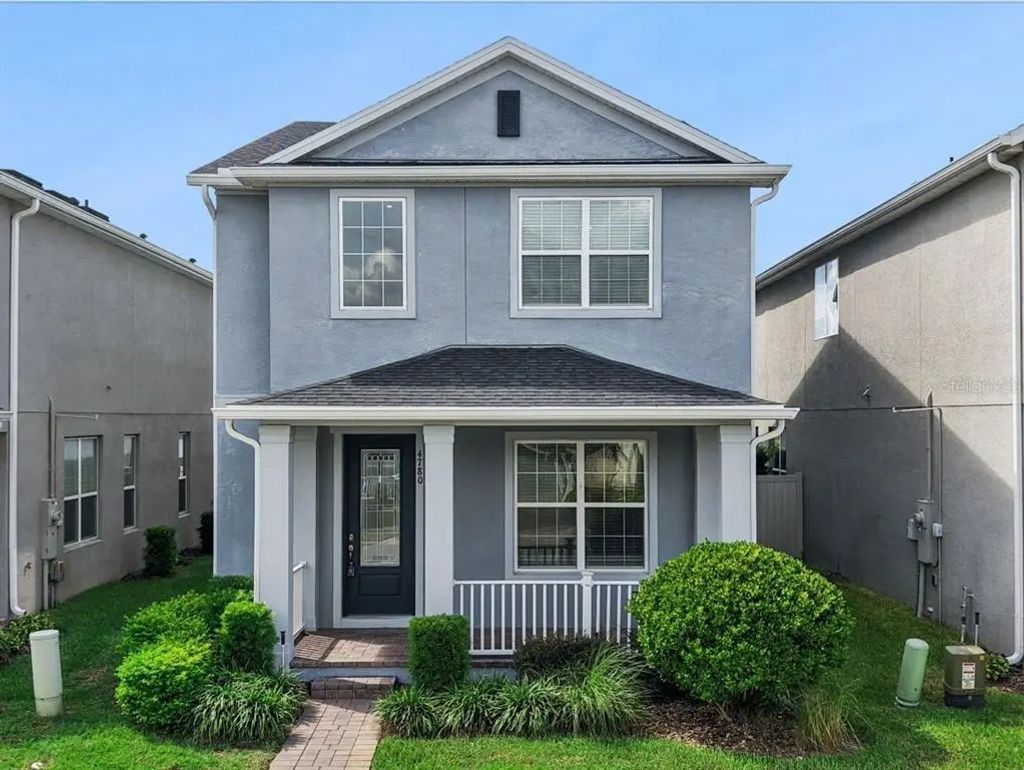
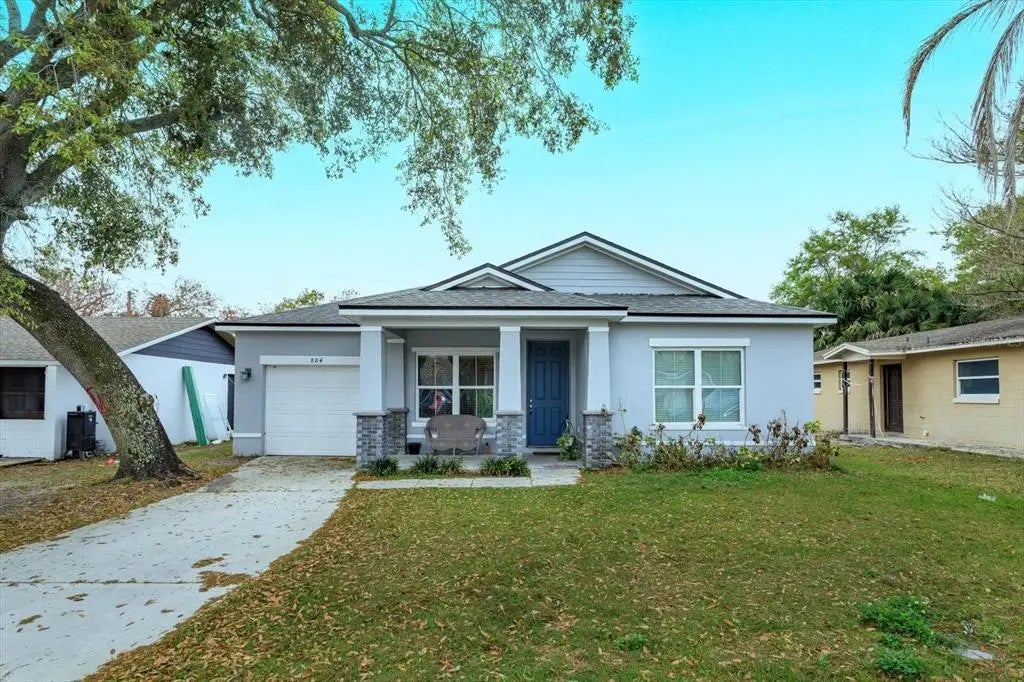
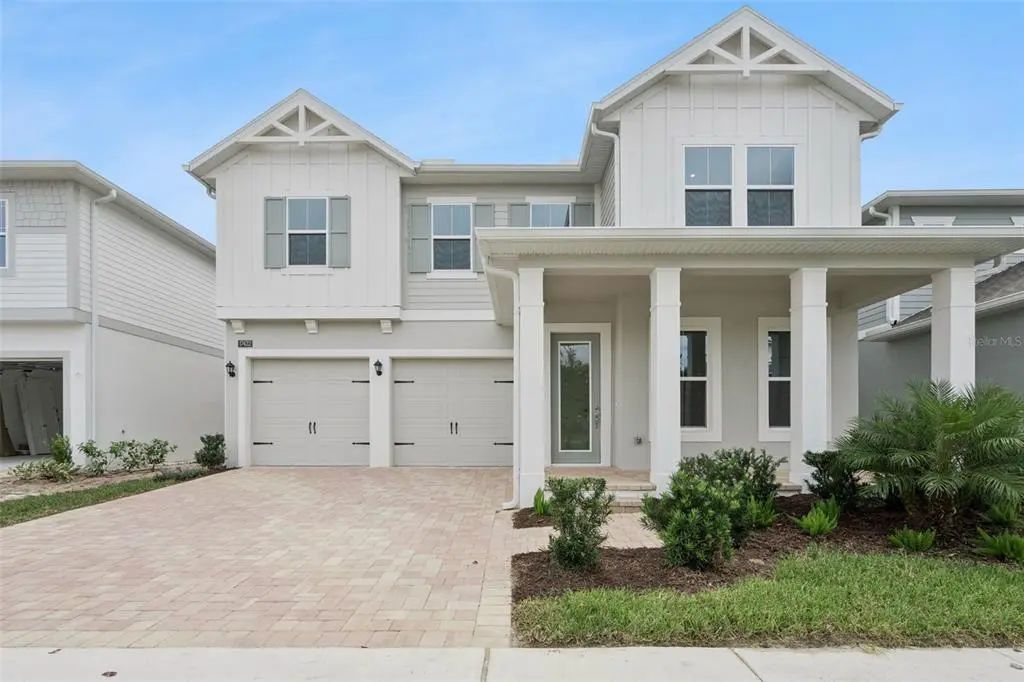
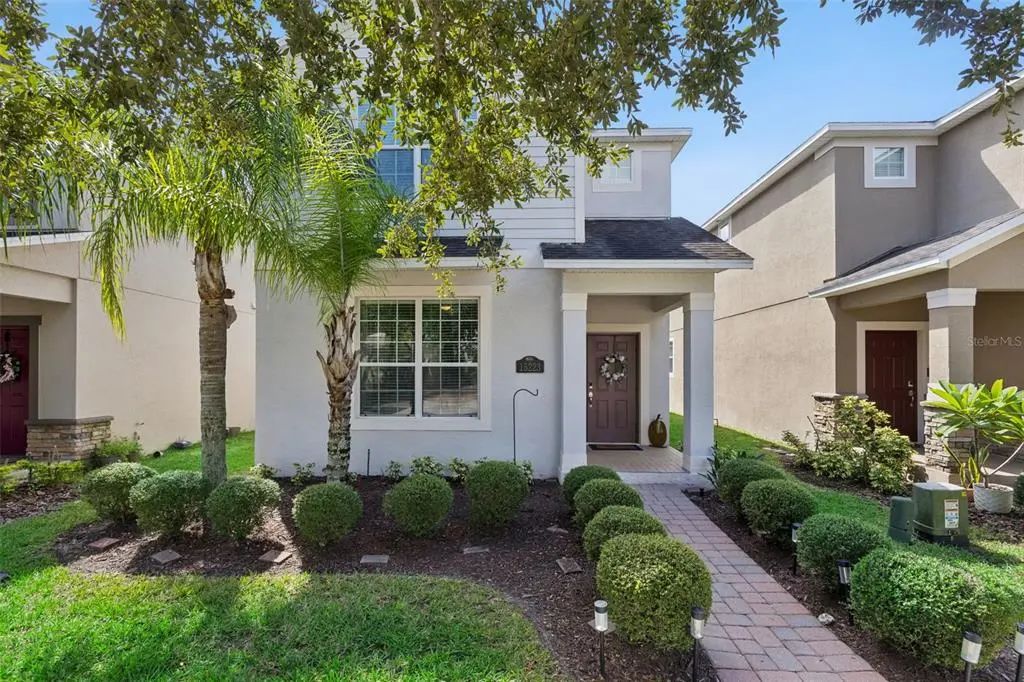
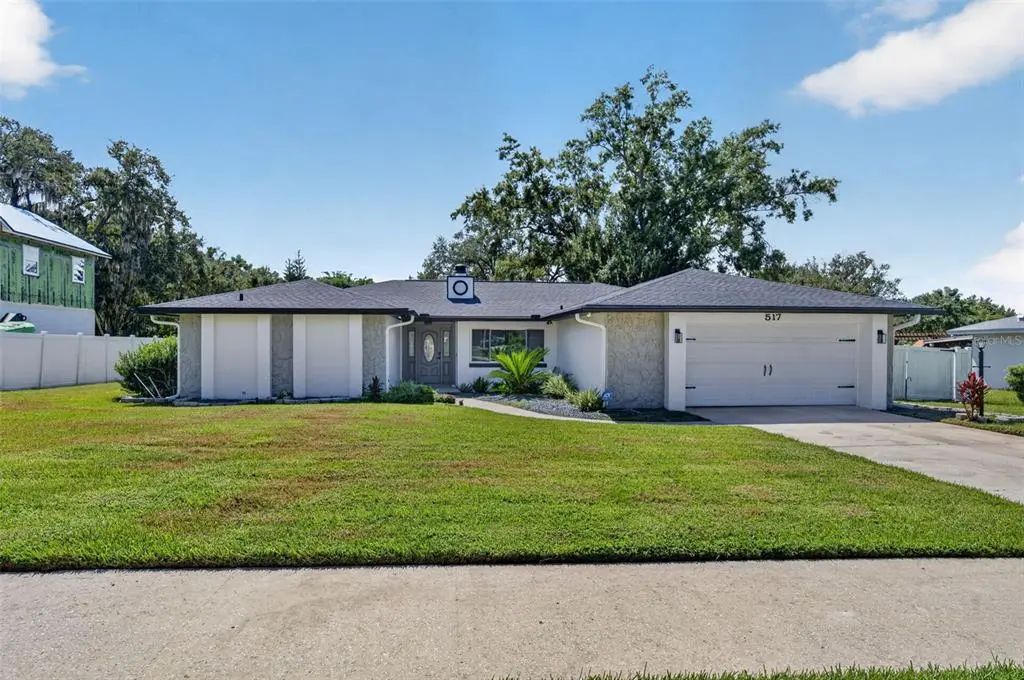
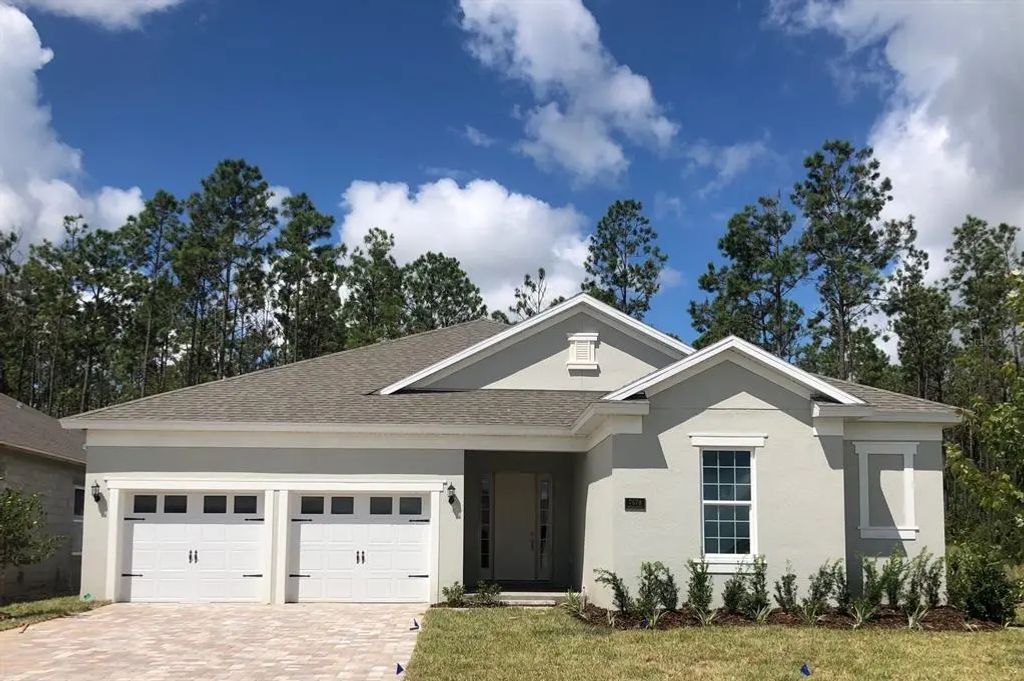
Browse All Of Winter Garden
Winter Garden Market Snapshot
Sold Homes 2025
Homes & Neighborhoods in Winter Garden
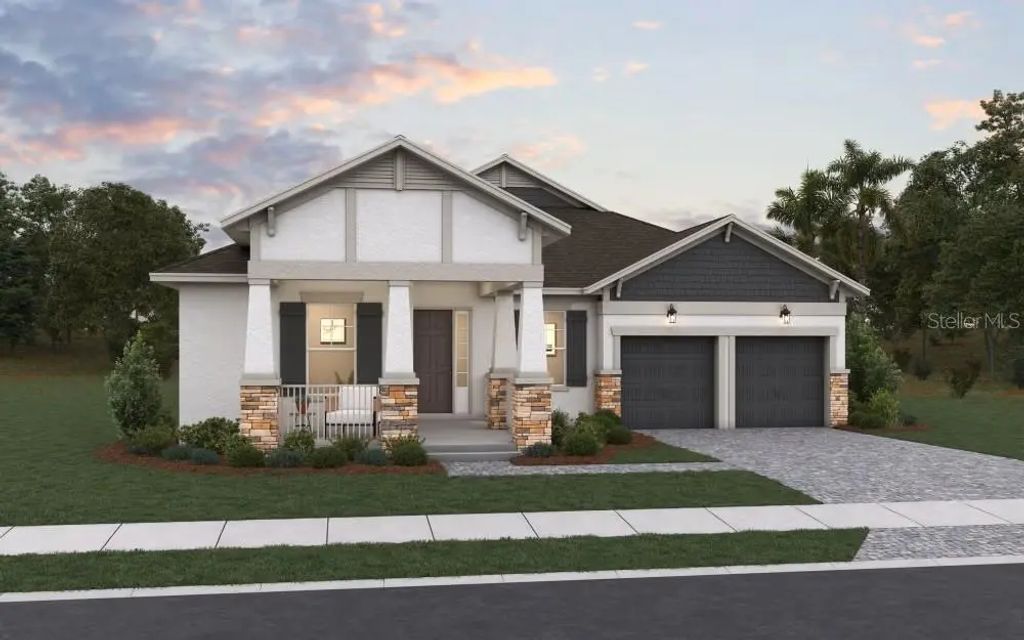
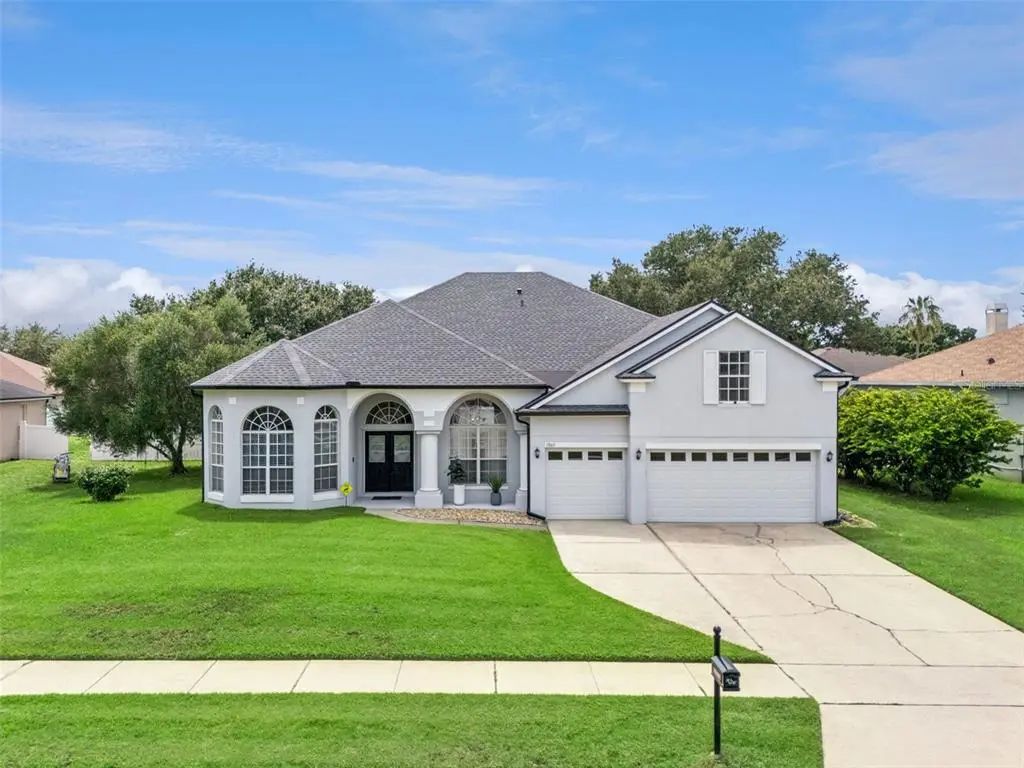
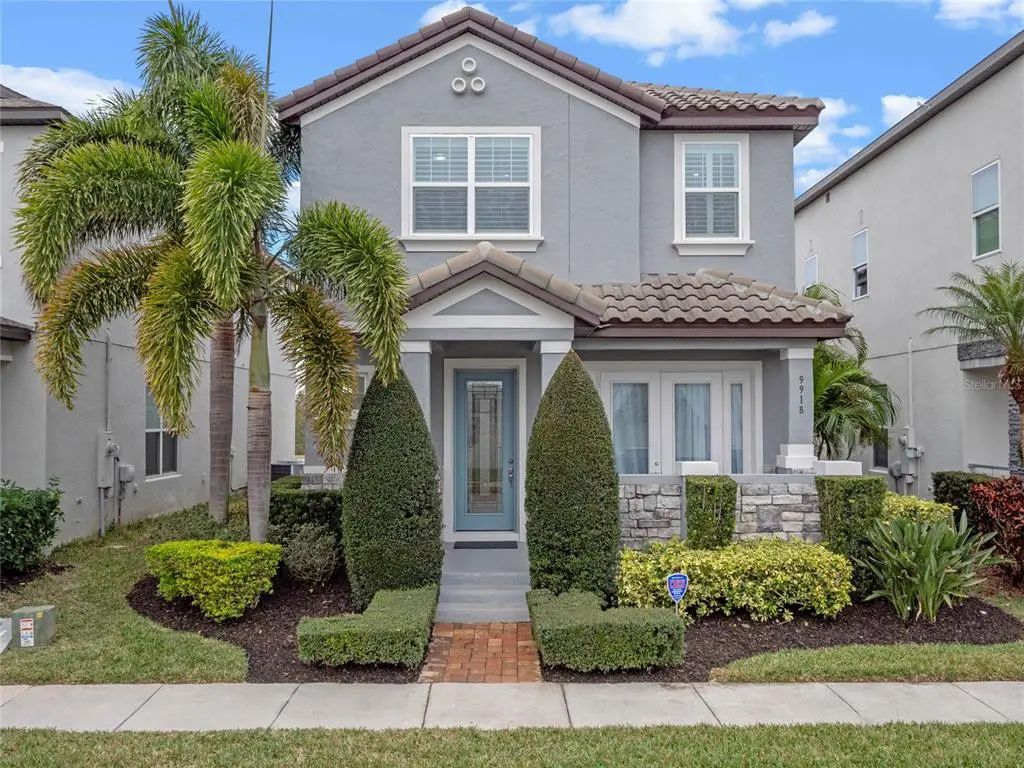
Winter Garden homes for sale include a diverse mix of historic residences near downtown and newer construction communities throughout the city’s western and southern areas. Buyers can find everything from early 20th-century bungalows to modern single-family homes and townhomes with open floor plans, contemporary kitchens, and private outdoor living spaces.
Architectural styles vary widely and include traditional Florida designs, Mediterranean-inspired homes, and newer modern builds. While Winter Garden is its own incorporated city, parts of the city’s western edge overlap geographically with Horizon West, which is why the two areas are often referenced together in real estate searches. Nearby communities such as Oakland also contribute to the area’s overall housing diversity.
From established neighborhoods to newer planned developments, Winter Garden real estate appeals to buyers seeking walkable downtown access, newer construction options, or proximity to major roadways and employment centers.
Winter Garden Recreation & Community Features
Winter Garden offers a strong sense of community centered around its historic downtown and outdoor amenities. The Plant Street district serves as a focal point, featuring local shops, dining, seasonal events, and cultural attractions like the Garden Theatre.
Outdoor recreation is a defining feature of the area. The West Orange Trail runs directly through Winter Garden, connecting neighborhoods with miles of biking and walking paths. Nearby parks, waterfront areas along Lake Apopka, and community gathering spaces support an active, year-round lifestyle.
Popular attractions include:
-
Plant Street Market
-
Garden Theatre
-
West Orange Trail
-
Lake Apopka
-
Winter Garden Farmers Market
Winter Garden Location & Area Information
Winter Garden is located west of downtown Orlando in Orange County and provides convenient access to major transportation corridors, including State Road 429 and the Florida Turnpike. This location places residents within easy reach of Orlando’s employment centers while maintaining a distinct, small-city atmosphere.
The city’s proximity to destinations such as Walt Disney World and other Central Florida attractions adds to its appeal, while established city services, schools, and infrastructure distinguish Winter Garden from surrounding unincorporated areas.
With continued growth, a strong local identity, and a mix of historic charm and modern development, Winter Garden remains one of the most sought-after residential cities in West Orange County.

Talk With a Local Expert in Horizon West, Winter Garden & Windermere
Get in Touch
About Florida Homes Group
Winter Garden is considered a desirable place to live due to its historic downtown, established neighborhoods, newer residential areas, and strong sense of community. The city appeals to a wide range of residents, including families, professionals, and retirees, because of its walkability, local amenities, and access to major roadways. Winter Garden is known for its historic downtown along Plant Street, the Winter Garden Farmers Market, the Garden Theatre, and access to the West Orange Trail. These features contribute to the city’s reputation for community events, local dining, and outdoor recreation. Downtown Winter Garden is highly walkable, with shops, restaurants, markets, and entertainment venues located close together. Many nearby neighborhoods also connect to sidewalks and trails, including the West Orange Trail, which supports walking, biking, and community activity. Winter Garden is located west of downtown Orlando and is within a short drive of Walt Disney World and other Central Florida attractions. Its proximity to State Road 429 and the Florida Turnpike provides convenient access throughout the region. Winter Garden offers a mix of housing options, including historic homes near downtown, established residential neighborhoods, and newer single-family homes and townhomes in recently developed areas. Parts of the city’s western edge overlap geographically with Horizon West, which contributes to newer construction opportunities. Winter Garden is often compared to nearby areas such as Horizon West and Windermere. Winter Garden is an incorporated city with a historic downtown and established services, while Horizon West features newer master-planned development. Windermere is known for its lakes and smaller-town setting. Because of this proximity, buyers frequently compare Winter Garden, Horizon West, and Windermere together when researching West Orange County real estate. Yes. Winter Garden offers access to multiple parks, community green spaces, and outdoor amenities. The West Orange Trail runs through the city, and nearby Lake Apopka provides additional recreational opportunities such as walking, biking, and nature viewing. Comparing school ratings between Kissimmee and Winter Garden using real Niche.com data. If schools are a priority in your move to Orlando, here's what the numbers actually show. and heres why.... moving locations,states or countries is not easy its hard and i know that because i did it but its not just finding a home thats hard its finding and area and finding the right schools everyone i talk to schools are a priority even before we discuss home style and budget so when I say Kissimmee, its the name everyone already knows, close to the parks, all over your feed, its the place everyone stays when they vacation here, its the obvious answer. it's not hopeless for schools either. NeoCity Academy pulls its own A+. but a lot of the standard, zoned neighborhood schools there in Kissimmee, Florida trend a lot lower once you actually look them up. Winter Garden, Florida is where the answer usually goes instead. ✅ Lake Whitney Elementary sits at an A ✅ Foundation Academy comes in at A+ ✅ Windermere Prep, which serves this side of town, is also A+ ✅ established neighborhoods with a downtown you can actually walk around ✅ real long term community, built for people staying, not just short term rental turnover thats the real difference, not what everyone assumes, just what the ratings actually show when you look them up. so if you've been picking an Orlando Metro area based on the name alone, this is your reminder to check the individual school ratings first, not just the city printed on the listing. my guide to Orlando's most popular suburbs is linked below at solsimpsonrealtor.com, so you're comparing the actual numbers instead of just picking the name you've already heard of. school ratings referenced above via Niche.com, 2026. Sol Simpson | Florida Homes Group | Horizon West, Winter Garden, Windermere, Clermont, Orlando Metro area.Winter Garden FAQs
Is Winter Garden, FL a good place to live?
What is Winter Garden known for?
Is Winter Garden a walkable city?
How far is Winter Garden from Orlando and Disney World?
What types of homes are available in Winter Garden?
How does Winter Garden compare to other nearby communities?
Are there parks and outdoor activities in Winter Garden?

Kissimmee vs Winter Garden: Which Has Better Schools? (Real Ratings)