

Orlando investment properties can include long term rentals, short term rental homes where permitted, fix and flip opportunities, new construction homes, second homes, and multifamily assets. The right opportunity depends on cash flow, rental rules, financing, insurance, HOA and CDD costs, maintenance exposure, and your exit strategy. Florida Homes Group works with local, national, and international investors across these strategies.
Finding Opportunities Before the Market Moves
Some of the strongest investment opportunities do not sit on the MLS for long, and many are identified before the wider market sees them. Through our network of wholesalers, investor contacts, builders, property owners, and local relationships, we help investors find opportunities that match their criteria before they waste time chasing the wrong deals.
Tell us your price range, target return, preferred areas, financing type, and property strategy. We will help you identify opportunities that fit the numbers, not just the listing photos.
Set Your Criteria
Why Investors Choose Florida
State Income Tax
Florida has no state tax on personal income, which can make the state attractive for investors focused on rental income, portfolio growth, and long term wealth planning. Property taxes, insurance, and local ownership costs still need to be reviewed carefully before buying.
Annual Visitors to Orlando
Orlando welcomed 75.3 million visitors in 2024, supporting one of the strongest tourism markets in the country. This can create short term rental demand in the right locations, but performance still depends on zoning, HOA rules, management, seasonality, and competition.
One of the Fastest-Growing Large U.S. Metros
The Orlando metro consistently ranks among the fastest-growing large U.S. regions, with strong population gains helping support demand for long term rentals, second homes, new construction, and well located resale properties across Central Florida.
Typical Gross Yield Targets
Based on current Central Florida market conditions, many long term rental investors in the Orlando area target gross yields in the 6 to 8 percent range. Actual returns vary by property, submarket, financing, vacancy, HOA and CDD fees, and management costs.
75M+ visitors: Visit Orlando 2024 Annual Visitation Report.
Fastest-growing large metro: Orlando Economic Partnership — U.S. Census Bureau population estimates.
6–8% yield targets: Florida Homes Group estimate based on current Central Florida market conditions. For national context see AmeriSave — 15 Best Places to Invest in Real Estate in 2026. Figures are illustrative only and not a guarantee of future performance.
Florida income tax: Florida Department of Revenue.
Who We Work With
Growing or Scaling an Existing Portfolio
For investors looking to grow an existing portfolio, scale into multifamily, review builder opportunities, or explore off market options, we bring investor experience and local market knowledge to the table. We help you move quickly when the numbers work and walk away when they do not.
Investing in Florida Remotely
Many investors are based outside Florida and need reliable local guidance on the ground. We help review the numbers, check rental restrictions, coordinate showings, connect you with property management contacts, and guide the purchase process remotely from start to finish.
Buying Your First Investment Property
If you have never bought an investment property before, the numbers can feel overwhelming. We help first time investors understand cash flow, financing options, DSCR loan basics, rental rules, and which property types may make sense for an entry level investment in Central Florida.
Buying in Florida from Overseas
International investors often need more than a property search. We help overseas buyers understand the local market, compare investment areas, review ownership costs, and connect with lenders, attorneys, accountants, and property managers who understand non resident ownership.
A Portfolio Built in Florida
Our principals have bought, renovated, rented, and held investment properties across Orlando and Central Florida, including short term rentals, long term rentals, and multifamily assets. When we advise you on an opportunity, it is because we have reviewed those same numbers ourselves as investors.
We understand what realistic returns look like across different Central Florida submarkets, from appreciation focused areas to more cash flow driven opportunities. We also know when a property looks good on paper but fails once taxes, insurance, HOA and CDD fees, maintenance, management, and exit strategy are properly reviewed.
Speak to an Investor Agent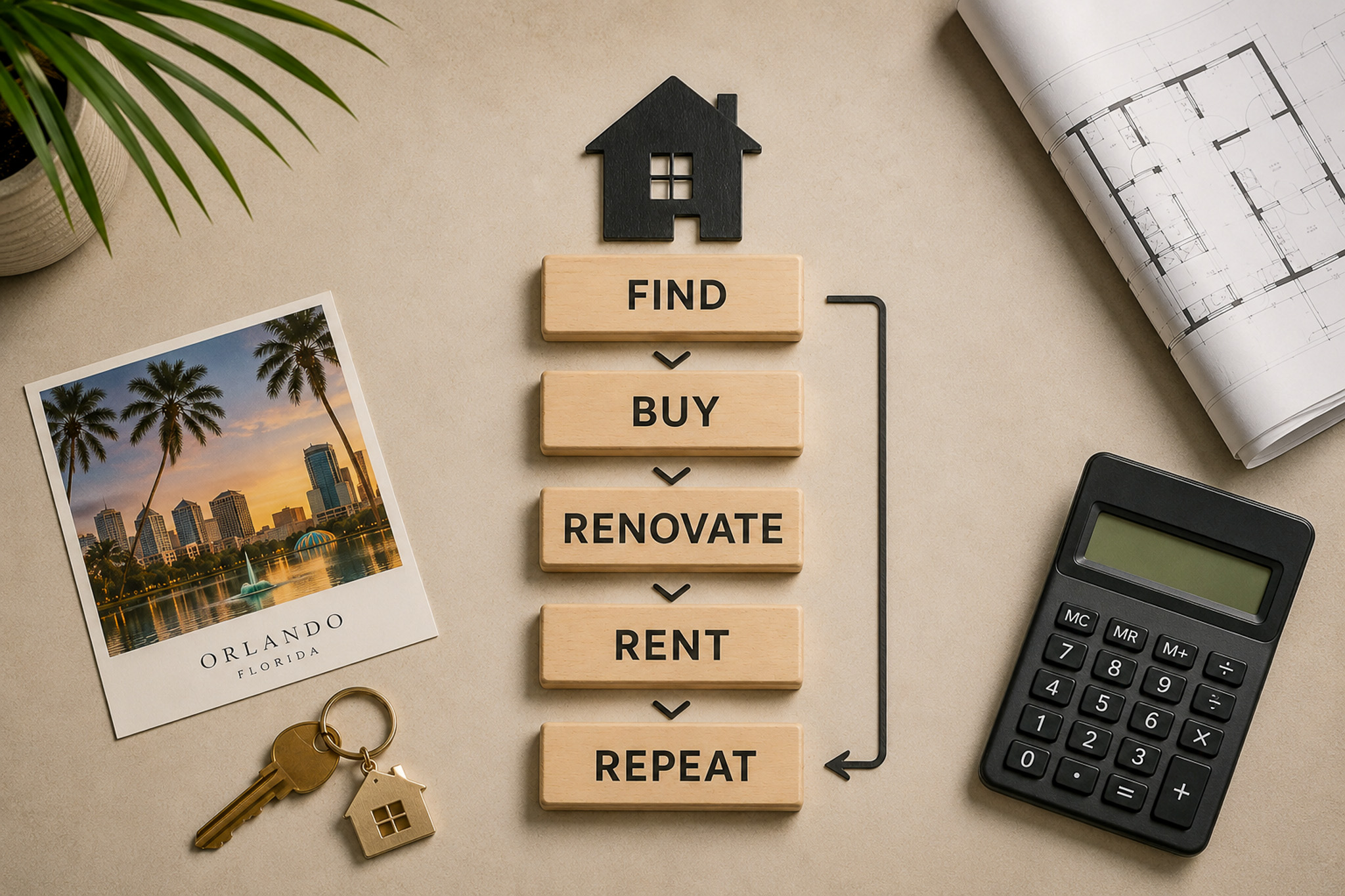
Investment Strategies Across Orlando and Central Florida
What We Review Before You Invest
Before we recommend an investment property, we look beyond the listing price and projected rent. A property can look strong online but fail once the full ownership picture is reviewed properly.
- Purchase price and financing structure
- Expected rental income
- Property taxes after purchase
- Insurance cost
- HOA and CDD fees
- Rental rules and lease restrictions
- Property management cost
- Vacancy allowance
- Maintenance and repair exposure
- Future capital expense risk
- Short term rental rules where relevant
- Long term resale demand
- Appreciation potential
- Exit strategy
The 4 Costliest Mistakes Central Florida Investors Make
Buying Before Verifying Rental Rules
Too many investors assume they can use a property as a short term rental, mid term rental, or long term rental without confirming the rules first. In Central Florida, city code, county rules, zoning, HOA restrictions, and permit requirements can all affect what is legally possible. The strategy must fit the property before the offer is written, not after closing.
Underestimating True Carrying Costs
Investors often focus on the mortgage and overlook the full expense stack. Insurance, property taxes, HOA and CDD fees, maintenance, management, vacancy, and capital reserves can materially reduce cash flow. A property that looks strong on a simple calculator can fall apart once real ownership costs are included.
Buying the Wrong Submarket or Product
Not every property performs well just because it sits in a growing market. The wrong neighborhood, flood exposure, aging roof, restrictive community, weaker rental demand, or poor fit for the target tenant can hurt both income and resale. Smart investors buy based on demand drivers, supply risk, and exit strategy, not just the headline price.
Trusting Pro Forma Numbers Instead of Underwriting Risk
Many buyers rely on projected rents, optimistic occupancy, or seller supplied returns without pressure testing the deal. Conservative underwriting should account for lower rents, downtime, repairs, leasing costs, and a realistic resale scenario. If the investment only works on perfect assumptions, it is not a strong investment.
Investment Calculators
Run the numbers before you make an offer. These calculators are for planning purposes only and should be verified with your lender, CPA, and tax advisor before making an investment decision.
ROI Calculator
Results
Cap Rate Calculator
Results
Cash on Cash Return
Results
Mortgage and DSCR
Results
Investing in Orlando: Pros and Cons
No market is perfect. Here is an honest overview of what works in Central Florida's favor and what every investor should factor into the numbers before buying.
| The Case ForWhy Orlando works for investors | What to WatchCosts and risks to underwrite |
|---|---|
| +No Florida state tax on personal income, which can improve net returns | ×Property insurance costs are high and need to be reviewed carefully |
| +75 million plus annual Orlando visitors supporting vacation rental demand in the right areas | ×Short term rental rules vary by city, county, community, and HOA |
| +One of the fastest growing large metro areas in the United States | ×Property taxes can reset after purchase and materially affect cash flow |
| +Diverse economy across healthcare, technology, tourism, logistics, education, and defense | ×HOA and CDD fees vary widely and can significantly impact returns |
| +Multiple strategies available, including long term rentals, short term rentals, flips, multifamily, and new construction | ×Popular corridors can be competitive, especially for well priced investment properties |
| +Year round rental demand with no traditional cold weather slowdown | ×Hurricane season adds insurance, maintenance, and risk considerations |
| +Often more affordable than several other major Florida markets | ×Seller supplied pro formas may overstate income and understate expenses |
Understanding 1031 Exchanges
A 1031 Exchange may allow investors to defer certain capital gains taxes when selling one investment property and reinvesting the proceeds into another qualifying investment property. Used correctly, it can be a powerful tool for repositioning and growing a real estate portfolio.
Because timing rules are strict, investors should speak with a CPA, tax advisor, attorney, and qualified intermediary before selling or identifying replacement property.
It can be used to:
- Upgrade into a larger or higher value investment property
- Consolidate multiple properties into a single asset
- Diversify into different markets or property types
- Reposition a portfolio into a strategy better aligned with your goals
- Transition out of actively managed assets into more passive income
How We Can Help
Central Florida continues to attract investors completing 1031 Exchanges. Population growth, rental demand, new construction options, resort communities, and a wide range of property types make the region a logical place to search for replacement properties.
When you are inside a 1031 Exchange window, speed and preparation matter. We can help review suitable Orlando and Central Florida opportunities, compare investment areas, check rental rules, and coordinate with your professional advisors while you evaluate replacement property options.
Already Own a Florida Property? Understand FIRPTA Before You Sell
The Foreign Investment in Real Property Tax Act can apply when a non resident foreign person sells U.S. real estate. If you own property in Florida and are based overseas, it is important to understand FIRPTA before your property is listed, not at the closing table.
Withholding at Closing
A portion of the sales proceeds is generally withheld at closing and submitted to the IRS on behalf of the foreign seller. This can apply even when the final tax owed may be lower than the withholding amount.
Withheld Does Not Mean Owed
The amount withheld at closing is not necessarily the final tax liability. Depending on your circumstances, you may qualify for reduced withholding or a refund after the proper filings are completed.
Get the Right Advice Early
FIRPTA rules can depend on residency status, ownership structure, purchase price, buyer use, and the specifics of the sale. The right professionals should be involved before the property goes live.
Florida Homes Group works with overseas property owners who are buying, holding, and selling Florida real estate. We understand the additional steps that can come with international ownership and can connect you with attorneys and accountants who specialize in non resident sales and FIRPTA compliance. Whether you are selling an investment property, vacation home, or second residence, we can help guide the real estate side of the process from listing to closing.
Talk to Our TeamFlorida Homes Group does not provide tax or legal advice. We can refer you to qualified U.S. professionals who specialize in FIRPTA and non resident property transactions.
Browse Central Florida Investment Properties


Investor FAQs
What types of investment property do you specialize in?
We work across single family rentals, multifamily properties, short term vacation rentals, new construction opportunities, and fix and flip projects throughout Orlando and Central Florida. Our team also has personal experience buying, renovating, renting, and holding investment property in Florida.
Who do you work with?
We work with local investors in Central Florida, buyers from across the United States, and international clients investing from overseas. Whether you are nearby or buying remotely, we can help you compare areas, review the numbers, understand rental restrictions, and connect with lenders, attorneys, accountants, inspectors, and property management contacts where needed.
What is a good cap rate in the Orlando market?
A good cap rate depends on the property type, location, condition, rental strategy, and risk profile. Some investors prioritize stronger cash flow, while others accept a lower cap rate for better location quality, newer construction, or long term appreciation potential. We can help you compare current opportunities against realistic local benchmarks for your target area.
What is a DSCR loan and is it right for me?
A DSCR loan, or Debt Service Coverage Ratio loan, is commonly used by investors because the lender reviews the property's rental income in relation to the debt payment. It can be useful for investors who are self employed, own multiple properties, or want financing based more on the asset than personal income. Requirements vary by lender, and we can connect you with lenders who understand investor financing.
Do you manage properties after the purchase?
Florida Homes Group does not currently provide property management directly, but we work closely with trusted property management companies across Central Florida and can make introductions based on your property type and investment strategy. We are building toward offering more investor support services in the future and will share those updates with clients when available.
Do I need to be a U.S. resident to buy investment property in Florida?
No. You do not generally need to be a U.S. citizen or resident to purchase property in Florida. International buyers should speak with the right legal, tax, and lending professionals before buying, especially when deciding how to structure ownership. We regularly work with overseas investors and can connect you with professionals who understand non resident ownership.
Do I need an LLC to buy investment property in Florida?
Not always. Some investors buy in their personal name, while others use an LLC or another ownership structure depending on liability, financing, tax planning, privacy, and estate planning considerations. The right structure depends on your situation, so we recommend speaking with a Florida based attorney and tax advisor before deciding.
What are the rules for short term rentals in Orlando?
Short term rental rules vary by city, county, community, zoning, and HOA. Some areas are built around vacation rentals, while other communities restrict or prohibit them. Licensing, permits, business tax receipts, occupancy rules, and HOA approvals may also apply depending on the property. We help investors check these rules before writing an offer so the strategy fits the property from the beginning.
What is a good ROI for an Orlando investment property?
Return on investment depends on your strategy. Long term rental investors in the Orlando area commonly target gross yields in the 6 to 8 percent range, while short term rental properties in approved vacation communities may target higher gross income, offset by higher management, furnishing, and vacancy costs. ROI should be calculated after accounting for mortgage payments, insurance, property taxes, HOA and CDD fees, maintenance, and management expenses. Florida Homes Group reviews these numbers with investors before purchase.
Is Orlando a good place to invest in real estate?
Orlando is one of the most active real estate investment markets in the United States. The metro area welcomed 75.3 million visitors in 2024 and consistently ranks among the fastest-growing large U.S. metro areas. Florida has no state income tax on personal income, which can benefit rental income and investment returns. Investors should still carefully review property taxes, insurance costs, HOA and CDD fees, rental restrictions, and submarket differences before purchasing.
What costs should I budget for when buying an investment property in Florida?
Beyond the purchase price and down payment, Florida investment property buyers should budget for property taxes, homeowner's insurance, flood insurance where applicable, HOA fees, CDD fees if applicable, property management fees, maintenance and repairs, vacancy periods, and closing costs. Short term rental properties also require furnishing, licensing, platform fees, and higher insurance. Florida Homes Group reviews all ownership costs with investors before making an offer.
How do I get started?
The best first step is a conversation. Tell us your budget, target return, preferred areas, financing plan, and investment timeline. From there, we can help you review the market, compare potential strategies, and identify opportunities that fit your goals.
Find Your Next Orlando Investment Property
Work with a real estate team that understands the numbers behind the deal. Whether you are buying your first rental, completing a 1031 Exchange, purchasing from overseas, or adding to an existing portfolio, Florida Homes Group can help you identify the right opportunity and review it with confidence.
Talk to Our Team